[논문리뷰] Precision on Demand: Escalating Weight Bits at Uncertain Decoding Steps in a Small Local Model
링크: 논문 PDF로 바로 열기
저자: Mohammed Nayeem Khan, Logesh L, Aliyas Ahmad Misri (Intel Corporation)
1. Key Terms & Definitions (핵심 용어 및 정의)
- Nested bit-plane (simulated nested quantization): 하나의 8-bit stored code(group size 64, asymmetric RTN)에서 상위 4 bits만 쓰면 low 버전, 전체 8 bits를 쓰면 high 버전이 되는 구조입니다. 따라서 low model을 위한 추가 weight 저장이 필요 없습니다. 이 연구에서는 실제 packed kernel 없이 bf16으로 simulation합니다.
- Escalation gate (ent0–ent3, mar0–mar3): low pass의 output distribution이 불확실할 때 해당 step을 8-bit로 다시 계산하는 규칙입니다. 불확실성 판단 기준은 두 가지입니다.
- Entropy gate: entropy가 threshold를 넘을 때 escalation합니다.
- Margin gate: top-1과 top-2 logit의 차이가 threshold보다 작을 때 escalation합니다.
- threshold는 calibration step의 3/7/15/30%가 escalation되도록 설정합니다.
- Argmax flip: 동일한 prefix에서 low pass와 high pass의 argmax token이 달라지는 step입니다. replay에서 gate의 recall을 측정하는 핵심 대상입니다.
- Weight bytes per token: memory-bound decoder의 1차 cost 지표로, wall-clock time 대신 사용합니다. bf16 output head는 모든 pass에서 읽히는 것으로 계산합니다.
- Matched random control / Oracle:
- Matched random control은 동일한 rate로 무작위 escalation하는 기준선입니다. replay에서 analytic expectation으로만 계산되었습니다.
- Oracle은 실제 KL 순으로 step을 선택하는 상한선입니다.
2. Motivation & Problem Statement (연구 배경 및 문제 정의)
본 논문은 local decoding에서 전체 generation에 하나의 weight precision을 고정하는 대신, 불확실한 step에만 high precision을 할당하는 per-token 정책이 같은 byte 예산에서 더 나은 품질을 주는지 검증합니다.
기존 연구의 한계는 다음과 같습니다.
- Any-Precision LLM, Matryoshka Quantization, MatGPTQ 같은 nested precision 연구는 "slice 가능한 weight를 어떻게 만들 것인가"를 다룹니다. decoding 중 어떤 slice를 고를지에 대한 per-token policy는 비어 있습니다.
- Entropy Adaptive Decoding은 두 개의 별도 모델 사이를 전환하므로 storage와 KV cache를 공유하지 못합니다.
- BitNest, QuantSpec 같은 speculative 방식은 verification으로 exactness를 보장합니다. 대신 proposal block과 rollback 기구가 필요합니다.
저자들이 확인한 범위(제목·초록 기반 검색)에서는 per-token uncertainty gate, verification 없음, matched random control, byte 기반 cost 계산을 모두 결합한 연구가 없었습니다. 방법의 개요는 [Figure 1]과 같습니다.
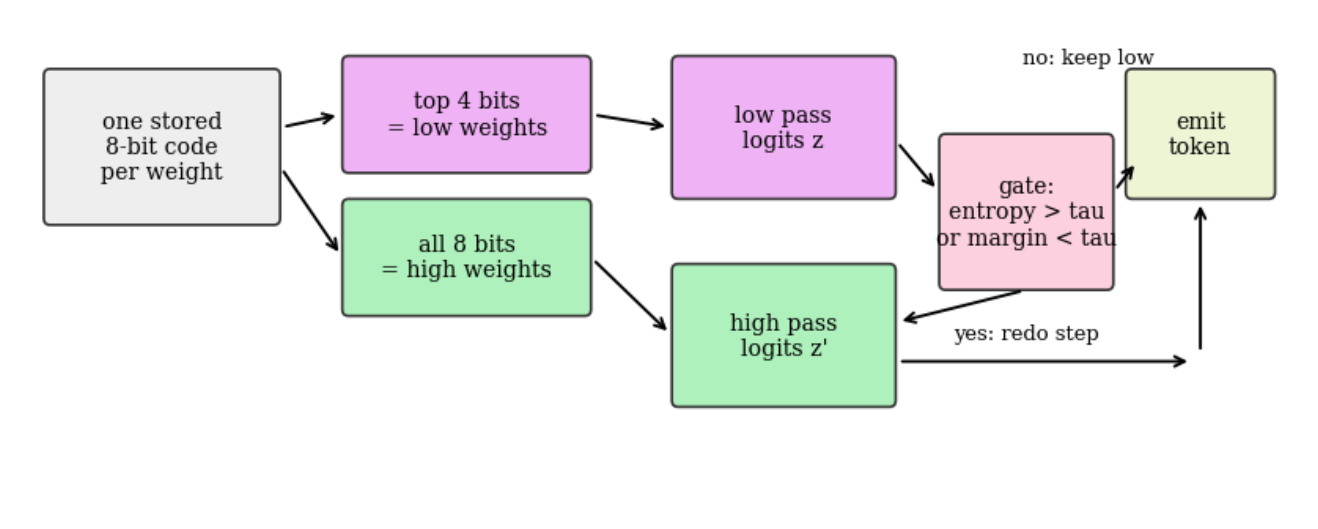
Figure 1 — Nested bit-plane과 uncertainty gate로 구성된 제안 방법의 전체 구조를 보여주는 핵심 다이어그램
3. Method & Key Results (제안 방법론 및 핵심 결과)
방법론
- 모든 step은 먼저 4-bit low pass로 계산됩니다. gate가 발동하면 같은 stored byte로 8-bit high pass를 다시 수행합니다 [Figure 1].
- escalation 여부는 low pass 이후에 결정되므로, 모든 step이 low pass 비용을 부담합니다.
- byte 계산은 다음과 같습니다.
- Block weight: high 8.5 bits, low 4.5 bits (metadata 포함)
- Output head: bf16, 311.2 MB
- 그 결과 low pass 비용은 high pass의 0.717입니다. block만 보면 0.529입니다.
- 실험 설정은 Qwen3-0.6B, GSM8K, non-thinking mode, greedy decoding, 384-token cap입니다.
- 분석은 두 가지로 진행했습니다.
- Replay: all-high trajectory 36,724 steps에 gate를 붙여 분석
- Live: 150 problems × 10 configurations 실제 decoding
Replay 결과
- 전체 step 중 3.79%가 flip이며, 평균 KL은 0.0203 nats입니다.
- Flip 예측 AUC는 entropy 0.928 (0.924–0.932), margin 0.959 (0.956–0.962)입니다.
- 15% budget에서의 결과:
| Gate | Flip recall | KL mass |
|---|---|---|
| Entropy | 78% | 59% |
| Margin | 94% | 55% |
| Oracle | 84% | 85% |
| Random (expected) | 15% | 15% |
- 즉 margin은 argmax(텍스트) 보존에, entropy는 분포(KL) 보존에 유리합니다.
- Free-running all-low의 first departure는 median index 2 token입니다. ent2는 이 중 58%, mar2는 85%를 포착합니다.
Verified speculation과의 비교
- 같은 byte model에서 verified speculation (k=4)는 all-high 대비 0.845 bytes로 zero KL을 달성합니다.
- 반면 ent2는 0.867 bytes에 KL 0.0084 nats가 남습니다 [Figure 12].
- 따라서 verification을 실행할 수 있는 환경이라면 speculation이 우월합니다.
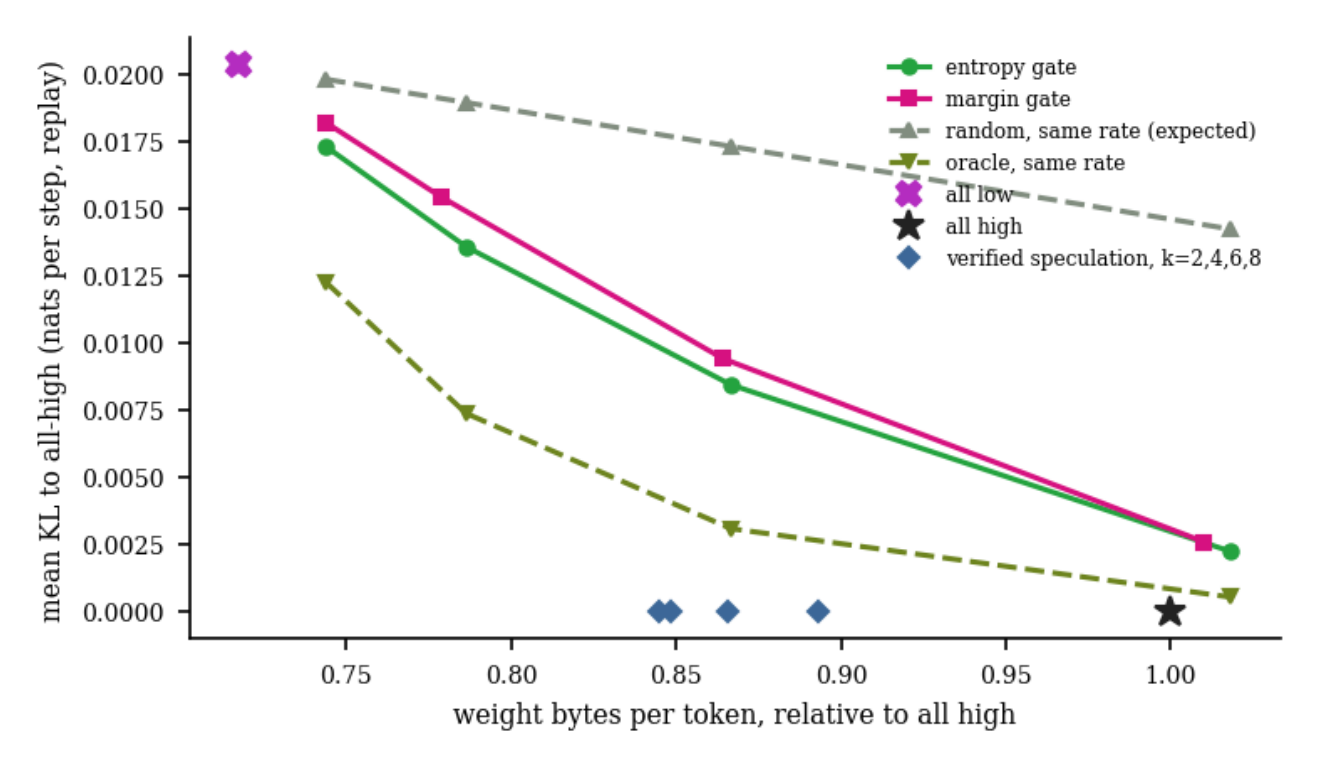
Figure 12 — Gate, random, oracle, verified speculation의 byte-KL trade-off를 한눈에 비교하는 핵심 결과 그래프
Live 결과 [Table 7]
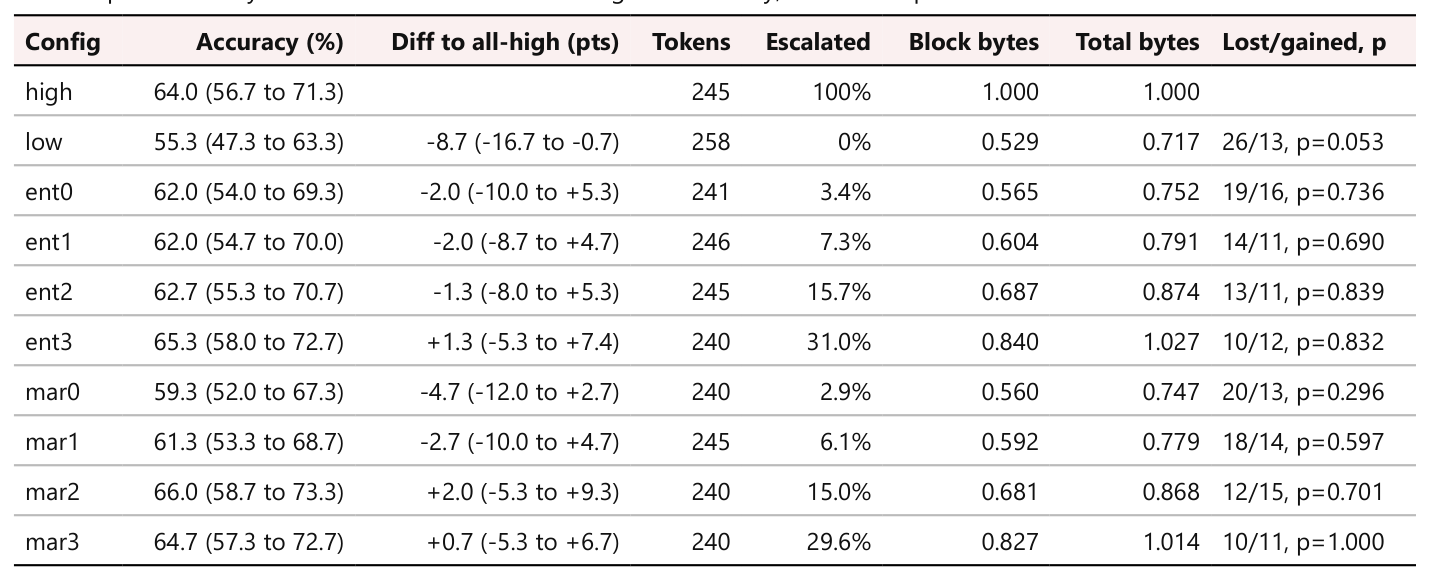
Table 7 — 10개 configuration의 live accuracy와 byte cost를 비교하는 주요 정량 결과 테이블
| Configuration | Accuracy | All-high 대비 bytes | 비교 결과 |
|---|---|---|---|
| All-high | 64.0% | 1.000 | 기준 |
| All-low | 55.3% | 0.717 | all-high 대비 −8.7 pts (CI −16.7 to −0.7), McNemar p=0.053 |
| ent2 (live rate 15.7%) | 62.7% | 0.874 | all-high 대비 −1.3 (−8.0 to +5.3); all-low 대비 +7.3 (+0.0 to +14.7), p=0.080 |
| mar2 | 66.0% | 0.868 | all-low 대비 +10.7 (+2.7 to +18.7), p=0.017 |
- 즉 ent2는 live 데이터만으로 양 끝단(all-high, all-low) 어느 쪽과도 통계적으로 분리되지 않습니다.
- mar2의 결과는 다중비교 보정이 없고 10개 configuration 중 최고 점수라 추정치가 부풀었을 수 있습니다.
- ent3/mar3(약 30% escalation)는 낭비되는 low pass 때문에 bytes가 1.0을 초과합니다.
- gate와 all-low를 구분하려면 약 532 problems가 필요하다고 추정됩니다.
4. Conclusion & Impact (결론 및 시사점)
결론
- Low-pass uncertainty(entropy/margin)는 high/low precision 불일치 step을 random 대비 훨씬 높은 lift로 찾아냅니다.
- 그러나 150 problems live 실험에서는 gate의 accuracy 이점이 통계적으로 확인되지 않았습니다.
- Byte 측면에서도 같은 cost model 하에서 verified speculation이 비슷한 bytes로 zero KL을 달성해 gate보다 유리합니다.
- 소형 모델에서는 bf16 output head가 high pass의 40%, low pass의 56%를 차지해 low-bit 절감 효과를 크게 깎습니다.
시사점
- 이 논문은 negative/inconclusive 결과를 정직하게 보고하는 사례입니다. "precision on demand"가 직관적으로 매력적이어도 실제 이득은 head precision, wasted low pass, verification 대안에 좌우됨을 보여줍니다.
- 다음 단계로 저자들은 live random control, thinking-mode phase gating, lagged-entropy gate, 더 큰 모델(1.7B), tuned quantizer(GPTQ/AWQ)를 제시합니다. 이 실험들은 모두 미수행 상태입니다.
⚠️ 알림: 이 리뷰는 AI로 작성되었습니다.
관련 포스트
Review 의 다른글
- 이전글 [논문리뷰] PolyRoute: A Twelve-Language and Code-Mixed Benchmark for Typed-Decision Routing, with Baselines and a Leaderboard
- 현재글 : [논문리뷰] Precision on Demand: Escalating Weight Bits at Uncertain Decoding Steps in a Small Local Model
- 다음글 [논문리뷰] Read Less, Solve More: Token-Efficient Sparse Reading of External Content for AI Agents
댓글