[논문리뷰] A Decade in a Day: Synthesizing Agent-Native Interfaces from Human-Oriented Software Evolution
링크: 논문 PDF로 바로 열기
저자: Alan Wu, Wei Tao, Yiwen Guo
1. Key Terms & Definitions (핵심 용어 및 정의)
- LLM Agents: Large Language Model을 기반으로 desktop applications와 상호작용하며 특정 task를 수행하는 autonomous agents입니다.
- Agent-Native Interfaces (ANIS): LLM agents의 capabilities에 최적화되도록 설계된 interface로, application의 런타임 capabilities로부터 자동으로 synthesis됩니다.
- DESKIF-BENCH: Agent-native interface design을 연구하기 위해 구축된 255개의 artifact-verified task benchmark로, 6개의 desktop applications와 5개의 domain을 포함합니다.
- Discoverability: Interface가 agents에게 지원되는 operations를 런타임에 명확한 semantics 및 arguments와 함께 discover할 수 있도록 하는 속성입니다.
- Granularity: Interface가 recurring user goals에 밀접하게 부합하는 operations를 제공하여 low-level calls의 composition 필요성을 줄이는 속성입니다.
- Observability: Interface가 artifact state의 변경 결과를, 해당 state가 수정된 것과 동일한 abstraction level에서 노출하여 agents가 원하는 결과가 달성되었는지 확인할 수 있도록 하는 속성입니다.
- Atomic Command: ANIS가 synthesize하는 interface의 최소 단위로, application에 의해 그 구현이 검증된 단일 operation입니다.
- Goal-Level Command: Recurring user goals을 higher-level operation으로 포착하기 위해 atomic commands를 on-demand로 composition하여 만든 command입니다.
2. Motivation & Problem Statement (연구 배경 및 문제 정의)
본 논문은 LLM agents가 desktop applications의 새로운 사용자 class로 부상하고 있지만, 기존 desktop interface들이 human end-users 또는 application developers를 위해 설계되어 agents의 performance를 저해하는 문제를 제기합니다. 기존 Graphical User Interfaces (GUIs)는 시각적 해석을, Software Development Kits (SDKs)는 문서 이해와 코드 작성을 요구하여 agents에게 부적합합니다. Command-Line Interfaces (CLIs)는 기능 범위가 제한적이어서 대부분의 desktop application 기능에 대한 general-purpose CLI가 없습니다. 이러한 interface와 agents 간의 mismatch는 agents가 desktop software를 operate하는 데 있어 Achilles' heel이 됩니다.
저자들은 agents에게 효과적인 interface design이 무엇인지에 대한 근본적인 질문을 해결하고자 합니다. 기존 연구들은 주로 agent 자체를 변화시키려 했지만, 본 연구는 software evolution을 interface variation의 natural source로 활용하여, interface changes가 agent performance에 미치는 영향을 측정하는 새로운 접근 방식을 제안합니다. 특히, agent와 task, verifier를 고정하고 historical interface만 변화시켜 performance shifts를 interface changes에 귀속시킬 수 있음을 강조합니다.
3. Method & Key Results (제안 방법론 및 핵심 결과)
본 논문은 agents에게 친화적인 interface의 특성을 이해하기 위해 DESKIF-BENCH라는 255개의 artifact-verified task benchmark를 도입했습니다. 이 benchmark는 6개의 desktop applications와 5개의 domain을 포함하며, task, agent, verifier를 고정한 채 software release만 변화시켜 interface 변화가 agent performance에 미치는 영향을 측정했습니다. 연구 결과, DeepSeek V4 Flash 및 Claude Haiku 4.5 두 모델과 6개의 application 전반에서 최신 release가 가장 오래된 release보다 consistently하게 outperform함을 발견했습니다 [Figure 2]. 특히 QGIS의 경우 DeepSeek V4 Flash에서 success rate가 41%에서 69%로, Claude Haiku 4.5에서 33%에서 65%로 약 30% 포인트 상승했습니다.
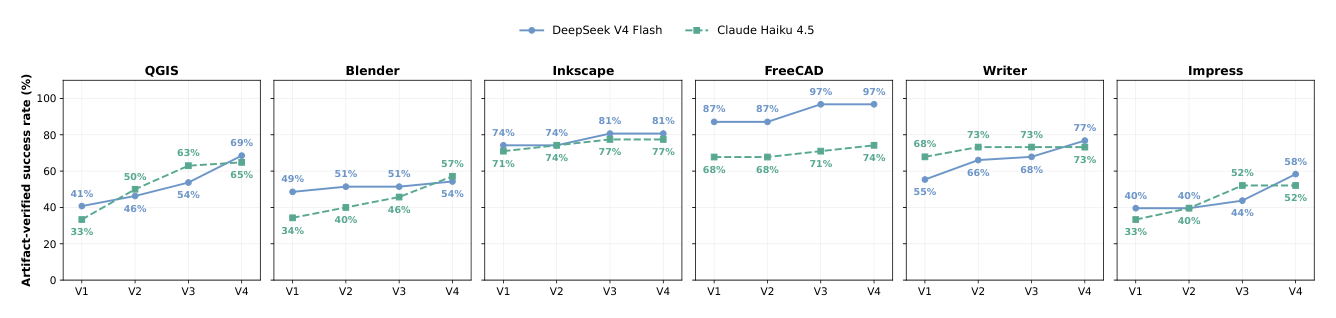
Figure 2 — 소프트웨어 release에 따른 agent success rate 변화를 보여주는 핵심 결과 그래프
Trajectory analysis를 통해 agents에게 친화적인 interface의 세 가지 핵심 속성인 Discoverability, Granularity, Observability를 식별했습니다. Discoverability와 Granularity는 software evolution 과정에서 개선되었으나, Observability는 여전히 제한적이었습니다. 이러한 속성들을 바탕으로, 본 연구는 설치된 application의 capabilities로부터 agent-native interfaces를 synthesize하는 프레임워크인 ANIS를 설계했습니다 [Figure 3]. ANIS는 application 내에서 capabilities를 discover하고, 이를 application이 검증한 Atomic Commands로 synthesize하며, 런타임에 recurring user goals을 포착하는 Goal-Level Commands를 구성하여 Granularity를 향상시킵니다.
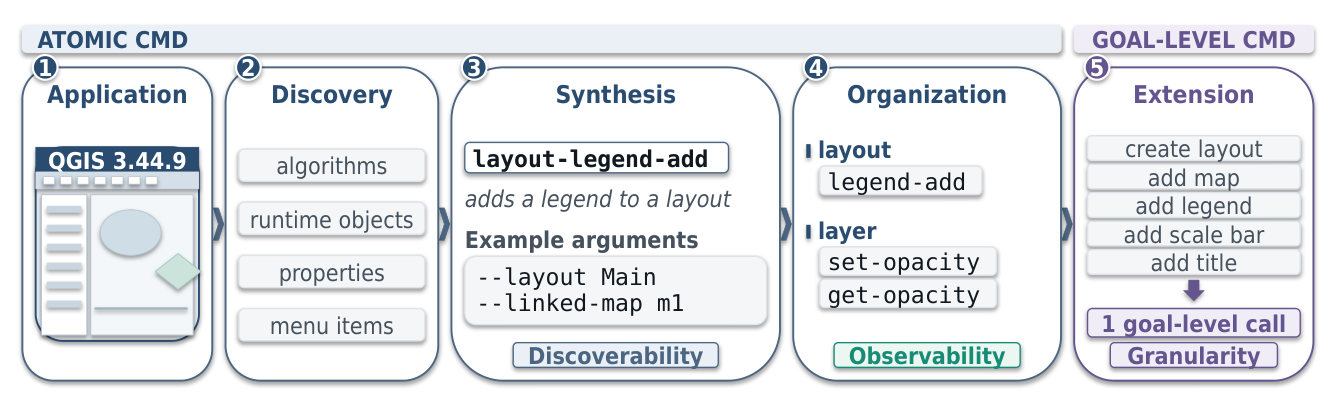
Figure 3 — 제안하는 ANIS 프레임워크의 전체 아키텍처 및 command 생성 과정을 보여주는 핵심 다이어그램
확장된 368개 task benchmark에 대한 평가에서, ANIS의 Atomic Command interface는 direct native SDK 사용 시의 68.5%보다 높은 72.3%의 success rate를 달성했으며, online token usage를 약 73% 감소시켰습니다 [Table 2]. Goal-Level Commands를 추가하면 success rate는 74.5%로 더욱 향상되고, online token usage는 약 75% 감소합니다. DeepSeek V4 Flash를 backbone으로 사용했을 때, ANIS의 Atomic Command는 native SDK 대비 3.8% 포인트 높은 success rate를, Goal-Level Commands는 6.0% 포인트 높은 success rate를 보였습니다. Claude Haiku 4.5에서도 유사하게 각각 3.5% 포인트 및 6.0% 포인트 상승했습니다 [Table 4]. Observability commands의 중요성을 검증하기 위한 ablation study에서는 observation commands를 금지했을 때 overall success rate가 72.3%에서 60.3%로 12.0% 포인트 감소함을 확인했습니다 [Table 5].
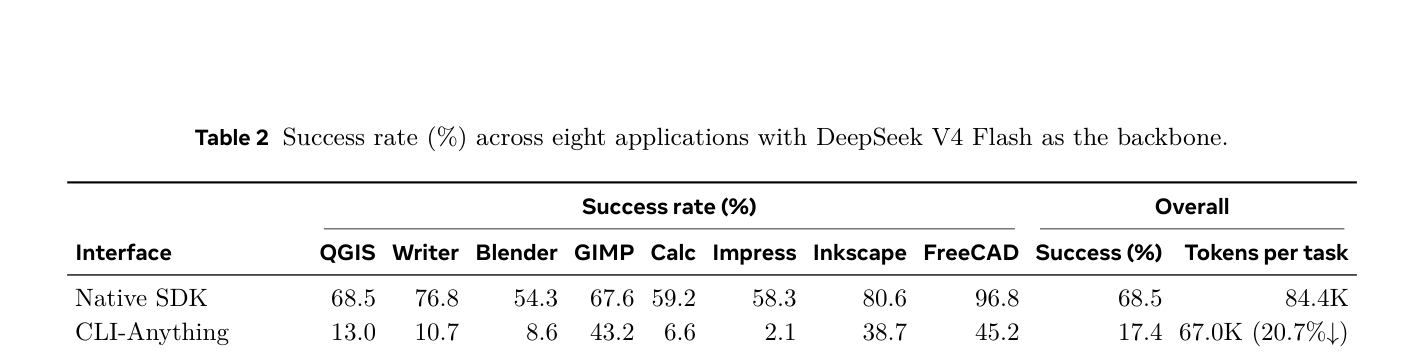
Table 2 — ANIS의 Atomic command 및 Goal-level command가 DeepSeek V4 Flash 모델에서 달성한 핵심 success rate 및 token 사용량 비교
4. Conclusion & Impact (결론 및 시사점)
본 논문은 LLM agents가 desktop application과 상호작용하는 데 있어 interface design이 결정적인 요소임을 강조하며, Discoverability, Granularity, Observability의 세 가지 핵심 interface property를 식별했습니다. Software evolution은 처음 두 속성을 느리고 불균등하게 개선했지만, 세 번째 속성인 Observability는 어떤 release에서도 충분히 개선되지 않았습니다. ANIS는 application의 evolution을 기다릴 필요 없이, 설치된 어떤 application에 대해서도 이 세 가지 속성을 모두 충족하는 agent-native interfaces를 automated synthesis를 통해 제공합니다.
이 연구는 agent-native interfaces를 first-class design choice로 간주하고 이를 synthesizing할 수 있음을 보여줌으로써, LLM agents의 desktop application 활용도를 크게 높일 수 있는 새로운 방향을 제시합니다. ANIS는 기존 SDK 사용 대비 success rate를 향상시키고 token usage를 70% 이상 대폭 줄임으로써, agents가 더 효율적이고 성공적으로 desktop task를 수행할 수 있도록 합니다. 이는 학계와 산업계 모두에서 LLM agents의 실용적인 적용을 가속화하는 데 중요한 시사점을 가집니다.
⚠️ 알림: 이 리뷰는 AI로 작성되었습니다.
관련 포스트
- [논문리뷰] AgentDebugX: An Open-Source Toolkit for Failure Observability, Attribution, and Recovery in LLM Agents
- [논문리뷰] AutoSFT: An Agentic System for Automated Data Research in Supervised Fine-Tuning
- [논문리뷰] τ-Emotion-Bench: Exposing the Interaction Fragility of LLM Agents through Real-World User Emotions
- [논문리뷰] Tev: Scaling Long-Horizon Agentic Environments with Dense Progress Rewards
- [논문리뷰] Harness^2: Recursive Agent Harnessing for an Open World
Review 의 다른글
- 이전글 [논문리뷰] Visual Grounding Safety in Vision-Language Models
- 현재글 : [논문리뷰] A Decade in a Day: Synthesizing Agent-Native Interfaces from Human-Oriented Software Evolution
- 다음글 [논문리뷰] APEX: Asynchronous Prefix Denoising for Extreme Compression
댓글